Message from Director Charles Jenkins
Electrical Elevate Training NOW in Brooklyn Location!
Alex Ramos Coordinator
Office – 7187808700
Email – aramos@twulocal100tuf.org
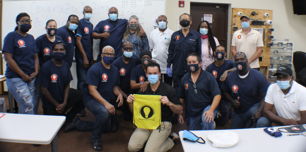
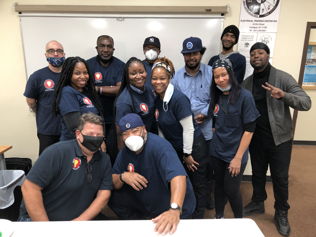
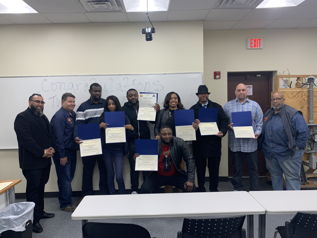
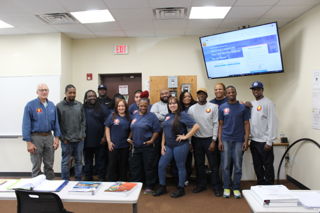
The TWU Local 100 – NYCT Training and Upgrading Fund (TUF), in partnership with the Electrical and HVAC/R Training Center, is committed to helping TWU Local 100 members advance into new career opportunities within Transit. The ELEVATE Program was created to provide current workforce with the educational background and hands-on training needed to pursue positions in the electrical field of Transit.TUF has reviewed and approved the Electrical and HVAC/R Training Center’s programs and facilities, making eligible courses available through the Training and Upgrading Fund for TWU Local 100 members.As part of this initiative, a 9 month electrical training program has been customized exclusively for TWU Local 100 members called the ELEVATE program. The ELEVATE Program offers training to 15 members per class during daytime hours (9:00 AM – 1:00 PM) and evening hours (5:00 PM – 9:00 PM).This nine-month program is designed for members with little or no prior electrical experience and makes ineligible members eligible for the Transit Electrical Helper exam, the first step to becoming a maintainer in Transit. Members who are not selected for the ELEVATE Program may still take advantage of TUF Tuition Reimbursement benefits to enroll in Electrical and HVAC/R Training Center courses throughout the year.
KNOWLEDGE IS POWER, OPEN THE DOORS TO SUCCESS.

Elevate Electrical 600 Hours Program Overview

Long Island Campus: 65 Elm Street -Copiague, NY 11726
Starts: June 01, 2026 - Expected End Date: March 18, 2027
(Limited Seating)
Day Hours: Monday through Thursday 9:00 AM – 1:00 PM
Long Island Campus: 65 Elm Street -Copiague, NY 11726
Starts: June 29, 2026 - Expected End Date: April 14, 2027
Night Hours: Monday through Thursday 5:00 PM – 9:00 PM
All Trades
Provides a basic overview of construction trade, hand and power tool operations, 40 Hour Site Safety Training, (includes 30 Hour OSHA) and professional development.
● Intro to Construction Math
● Basic Communication Skills
● Intro to Hand Tools
● Customer Relations
● Intro to Power Tools
● Intro to Material Handling
● Intro to Basic Rigging
● Basic Employability Skills
* 2 Hour Drug & Alcohol Awareness
* 8 Hour Fall Prevention
* 30 Hour OSHA Training
* Site Safety Training Card Fulfills NYC DOB LOCAL LAW 196
When working with Electricity, it is very important to understand how it is generated and how it moves within the circuit. Electrical units of measure are a must to be able to interpret a circuit using your multi-meter. Learning to control flow of electricity can be accomplished by understanding devices, switches and disconnects.
● Intro to Electrical Trade
● Navigating the NEC
● Intro to Electrical Circuits
● Device Boxes
● OHMS Law, Schematics, Measurements
● Conductors and Cables
● Electrical Theory
● HVAC Controls
● Alternating Current
● Thermostats
● Transformers
● Troubleshooting
● Raceway and Fitting
Level One
Level two
When reading prints or talking with jobsite crews, it is essential to understand the terminology being used. This involves both Verbal and Nonverbal communication. In Level two you will apply your theory training to site specific installations in Residential, Commercial and Fire Alarm installation.
● Basic Electrical Construction Drawing
● Operating Principles of Fuses
● Conductor Terminations and Splices
● Circuit Breakers
● Load Calculations
● Commercial Electrical Services
● Lighting Loads
● Electrical Test Equipment
● Residential Electrical Services
● Branch and Feeder Circuits
● Grounding
● Basic Fire Alarm Systems
● Commercial Wiring
● Troubleshooting
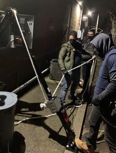
Jobsite installations, requires the ability to identify raceways and fittings according to National Electrical Code uses permitted. Conductor installations practices 1/2 inch through 3inch. Emergency power systems installation. Data Network backbone wiring installed and tested.
● Hand Bending Calculations
● Understanding Motor Controls
● Pull and Junction Boxes
● Motor Starter Sizing
● Conduit Bending
● Timing Relays
● Standby and Emergency Systems
● Troubleshooting
● Voice and Data
● NEC Regulations
● Fiber-Optic Installation Considerations
Level 3
Request full programs overview!